Salmon Rice Noodles Recipe
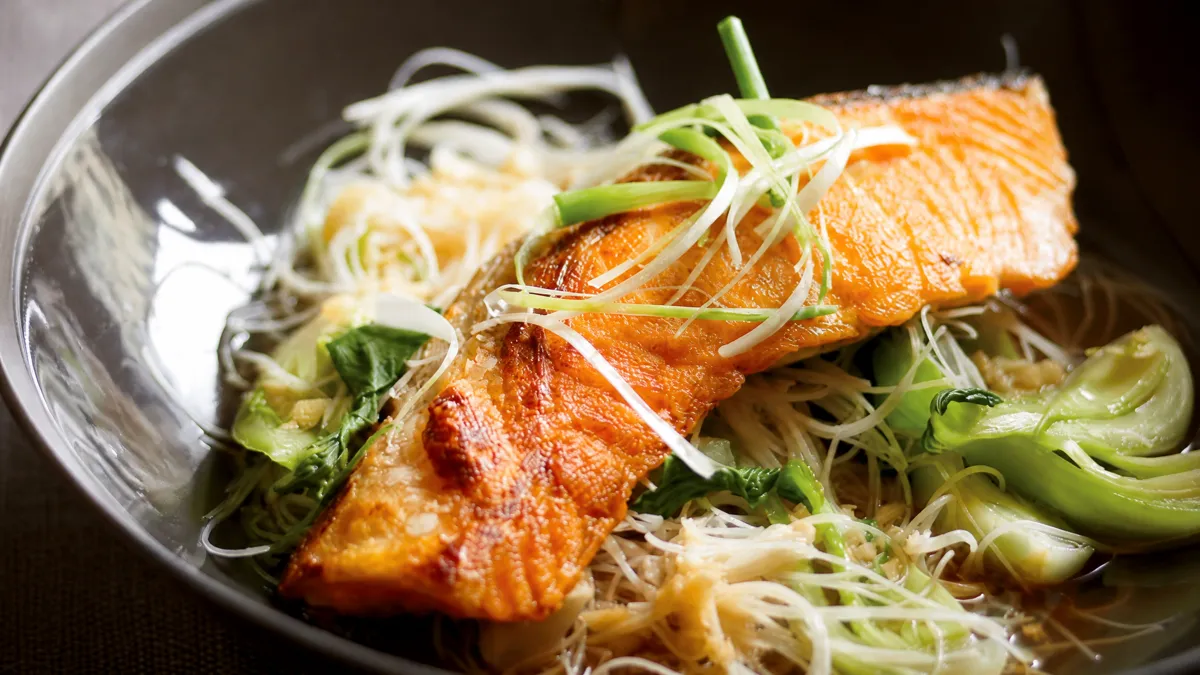
Salmon rice noodles are one of my favorite weeknight dinners to make at home, and I serve a version of this bowl at my shop in Kew Gardens when the lunch rush slows down. Hi, I'm Sam. I've run a busy kosher coffee shop and wine bar in Queens since 2012, and I cook a lot of simple food for my family after closing. This salmon rice noodles recipe is the one I keep coming back to.
The problem with most weeknight salmon is that it turns out dry, or the skin never gets crisp. Rice noodles can also turn into a gummy pile if you rush them. This version fixes both. The salmon is seared skin side down until the skin shatters, and the noodles soak in a light ginger-soy broth so they stay separate and silky.
The whole dish takes about 30 minutes from start to finish. You need one large skillet, one bowl for soaking the noodles, and a short ingredient list. It is light enough for a weeknight but filling enough to serve as a full dinner.
Prep Time: 15 minutes
Cook Time: 15 minutes
Total Time: 30 minutes
Servings: 4
Method: Stovetop
What Is Salmon Rice Noodles?
Salmon rice noodles is a bowl of thin rice vermicelli, tender bok choy, and a pan-seared salmon fillet, all served in a warm, savory broth. The flavors are close to a Chinese-style noodle soup, with fresh ginger, garlic, scallions, and a splash of sesame oil. The noodles are thin and light, so they soak up the broth quickly without weighing the dish down. Because the salmon is seared first and then set on top, you get crisp skin and a moist center in the same bite.
Ingredients
- 4 skin-on salmon fillets, about 5 oz (140 g) each
- 6 oz (170 g) thin rice vermicelli noodles
- 4 baby bok choy, halved lengthwise
- 2 tbsp neutral oil, divided
- 1 tbsp fresh ginger, finely grated
- 3 garlic cloves, minced
- 1 1/2 cups low-sodium chicken or vegetable broth
- 3 tbsp low-sodium soy sauce
- 1 tbsp honey
- 1 tsp toasted sesame oil
- 3 scallions, thinly sliced
- Salt and black pepper
- 1 lime, cut into wedges
What You Need for Salmon Rice Noodles
Skin-on salmon: The skin is the best part of this dish. It protects the flesh while it cooks and crisps up in the hot pan. If you can only find skinless fillets, sear them for about 2 minutes per side instead.
Rice vermicelli: These are the thin, white rice noodles sold in dried bundles. They need only a short soak in hot water to become tender. Do not boil them, or they turn mushy. Glass noodles or thin rice stick noodles can substitute in a pinch.
Baby bok choy: It cooks in about 3 minutes and keeps a little crunch. Full-size bok choy works too. Cut it into thick wedges and give it an extra minute in the broth.
Ginger and garlic: Fresh ginger gives the broth its bright, warm flavor. Grate it fine so it melts into the liquid. Dried ginger is not a good swap here.
Low-sodium soy sauce: This adds salt and depth without making the broth too heavy. Tamari works if you need the dish to be gluten free, and it has a similar flavor.
Honey and sesame oil: A spoon of honey rounds out the salty broth. Toasted sesame oil goes in at the end so its nutty flavor stays strong. Add it at the table if you like it more intense.
How to Make Salmon Rice Noodles
Start by soaking the noodles so they are ready when the salmon comes out of the pan. The salmon needs a dry surface and a hot pan to get a good sear. Keep the heat steady after you flip the fish, so the center cooks gently. Build the broth in the same pan you used for the salmon. The browned bits left behind add a lot of flavor.
Work in the order below. The whole process moves quickly once the noodles are soaking and the salmon is seasoned.
- Place the rice vermicelli in a large bowl and cover with hot tap water. Soak for 8 minutes until soft and flexible, then drain well.
- Pat the salmon dry with paper towels. Season both sides with salt and black pepper.
- Heat 1 tablespoon of the oil in a large skillet over medium-high heat. Lay the salmon skin side down and press gently for 10 seconds. Cook 4 to 5 minutes until the skin is crisp and golden.
- Flip the salmon and cook 1 to 2 minutes more, until just cooked through. Move the fillets to a plate.
- Lower the heat to medium. Add the remaining 1 tablespoon oil, the ginger, and the garlic. Stir for 30 seconds until fragrant. Add the broth, soy sauce, and honey. Bring to a gentle simmer.
- Add the bok choy cut side down. Cover and cook 3 minutes until just tender. Add the drained noodles and toss for 1 to 2 minutes until warm.
- Divide the noodles, bok choy, and broth among 4 bowls. Top each with a salmon fillet. Drizzle with sesame oil, sprinkle with scallions, and serve with lime wedges.
Salmon Rice Noodles Variations
Teriyaki Salmon Rice Noodles
Swap the ginger-soy broth for a thicker teriyaki sauce made from equal parts soy sauce and mirin, with a teaspoon of cornstarch to thicken it. Brush the sauce over the salmon during the last minute of cooking. This version is sweeter and very popular with kids.
Spicy Chili Crisp Salmon Rice Noodles
Stir 1 to 2 tablespoons of chili crisp into the broth before adding the noodles. The heat balances the honey well. Add extra scallions on top for a fresh bite. I make this version when customers ask for something with more kick.
Coconut Lime Salmon Rice Noodles
Replace half the broth with light coconut milk and add a squeeze of extra lime at the end. The sauce turns rich and mellow. Use fresh cilantro instead of scallions for a bright, tropical finish.
Vegetable Salmon Rice Noodles
Add thinly sliced carrot and snap peas to the broth along with the bok choy. Cook them for 2 to 3 minutes until crisp-tender. The extra vegetables make the bowl more filling without changing the cook time much.
Tips for the Best Salmon Rice Noodles
- Pat the salmon very dry before seasoning. Moisture on the skin is the most common reason it sticks and does not crisp.
- Press the fillets down for the first 10 seconds in the pan. This keeps the skin flat and in full contact with the metal.
- Do not overcook the noodles. Rice vermicelli turns soft quickly, so drain them as soon as they are pliable.
- Taste the broth before you add the noodles. Low-sodium soy sauce can vary, so adjust the salt with a splash more soy sauce if needed.
- Serve the noodles right after tossing them. They keep absorbing broth as they sit, so a long wait makes the bowl soggy.
Storage
Store leftover salmon and noodles separately in airtight containers. Both keep well in the fridge for up to 2 days. The noodles will soak up most of the broth overnight, so add a splash of warm broth when you reheat them.
To reheat, warm the noodles and broth in a small pan over medium heat, then add the salmon for the last minute. Avoid the microwave for the salmon, since it dries out fast. This dish does not freeze well, because the noodles turn soft and the salmon loses its crisp skin.
Common Questions
Can I use a different fish instead of salmon?
Yes. Arctic char and rainbow trout are good swaps because they have similar fat and texture. White fish like cod works too, but it is more delicate. Sear it for a shorter time and be careful when you flip it.
Are rice noodles gluten free?
Plain rice vermicelli is naturally gluten free. Check the soy sauce label, though, because most regular soy sauce contains wheat. Use tamari or a certified gluten-free soy sauce to keep the whole dish gluten free.
Can I make salmon rice noodles ahead of time?
You can prep the broth and cut the vegetables ahead. Cook the salmon and noodles just before serving. The noodles absorb liquid quickly, so they are best right after they are tossed in the broth.
How do I know when the salmon is done?
The fish should flake easily with a fork and look opaque through the center. The safe internal temperature is 145°F (63°C). The center should look just set, not raw or glossy. Pull it from the pan a little early, since it keeps cooking as it rests.
Salmon rice noodles are the kind of dinner I can make in the time it takes to get a table ready. I hope this bowl becomes one of your regulars too. Save this recipe for the next busy weeknight, and let me know how the crispy skin turns out in your kitchen.
Recipe
Salmon Rice Noodles Recipe
Prep: 15 min Cook: 15 min Total: 30 min Servings: 4 Calories: 530
Ingredients
- 4 skin-on salmon fillets, about 5 oz (140 g) each
- 6 oz (170 g) thin rice vermicelli noodles
- 4 baby bok choy, halved lengthwise
- 2 tbsp neutral oil, divided
- 1 tbsp fresh ginger, finely grated
- 3 garlic cloves, minced
- 1 1/2 cups low-sodium chicken or vegetable broth
- 3 tbsp low-sodium soy sauce
- 1 tbsp honey
- 1 tsp toasted sesame oil
- 3 scallions, thinly sliced
- Salt and black pepper
- 1 lime, cut into wedges
Instructions
- Place the rice vermicelli in a large bowl and cover with hot tap water. Soak for 8 minutes until soft and flexible, then drain well.
- Pat the salmon dry with paper towels. Season both sides with salt and black pepper.
- Heat 1 tablespoon of the oil in a large skillet over medium-high heat. Lay the salmon skin side down and press gently for 10 seconds. Cook 4 to 5 minutes until the skin is crisp and golden.
- Flip the salmon and cook 1 to 2 minutes more, until just cooked through. Move the fillets to a plate.
- Lower the heat to medium. Add the remaining 1 tablespoon oil, the ginger, and the garlic. Stir for 30 seconds until fragrant. Add the broth, soy sauce, and honey. Bring to a gentle simmer.
- Add the bok choy cut side down. Cover and cook 3 minutes until just tender. Add the drained noodles and toss for 1 to 2 minutes until warm.
- Divide the noodles, bok choy, and broth among 4 bowls. Top each with a salmon fillet. Drizzle with sesame oil, sprinkle with scallions, and serve with lime wedges.
Nutrition per serving: 530 cal, 39g carbs, 35g protein, 25g fat, 2g fiber, 5g sugar, 380mg sodium
Odradeks Coffee House is reader-supported. If you buy through a link on this page, we may earn a small affiliate fee at no extra cost to you.