DF83 Coffee Grinder Review: Is It Worth It?
Welcome, I'm Sam, and I use grinders and brewers every day. After running a coffee shop for 14 years, I judge Turin like shop equipment.
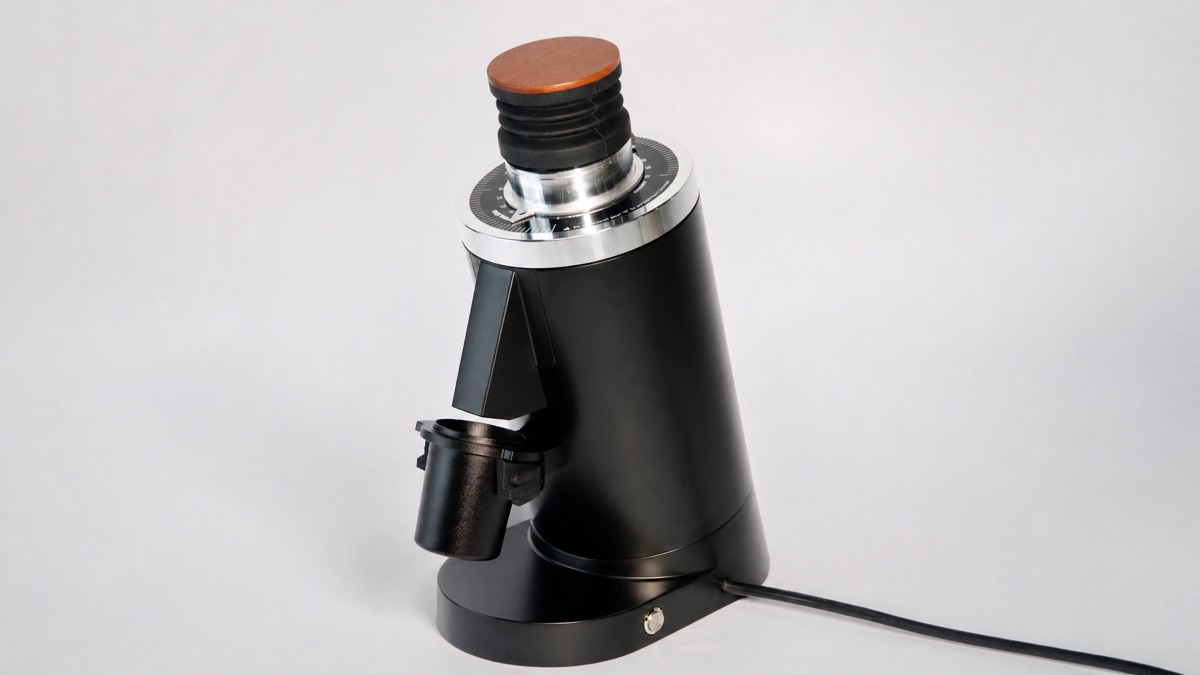
The DF83 coffee grinder is a single-dose flat burr grinder with 83 mm (3.3 in) burrs and a 550 W motor. It is the larger sibling of the DF64 and aims at espresso drinkers. Factories in China build it, and brands such as Turin and MiiCoffee sell it. The current Gen 2 model runs on 120 V in the US.
The grinder is fast, finishing an 18 g (0.6 oz) dose in about 5 to 6 seconds, and it retains about 0.1 g (0.004 oz) after months of use. Espresso tastes sweet and balanced, and the stock burrs can also grind for pour-over. Milk drinks and traditional espresso suit it best. Owners rate it 4.2 stars from 51 ratings.
The Gen 2 costs $499, and SSP burr upgrades add $350 to $400. The main complaints are weight, noise and clogging, and the stock burrs give limited clarity. I cover grind speed, burr options and owner complaints, and zero brands paid for this review.
What Is the DF83 Grinder?
The DF83 grinder is a single-dose flat burr coffee grinder with 83 mm (3.3 in) burrs and a 550 W motor. It is the larger sibling of the popular DF64, and it targets espresso drinkers.
DF names a grinder design, not one company. Unnamed factories in China build the machines. Retailers then sell them under their own names, such as Turin, MiiCoffee, G-IOTA, Solo and Zentis.
The DF83 belongs to a family of grinders. The DF64 line includes the DF64 Gen 2.7 and the DF64V Gen 3, which use 64 mm burrs. The DF83 is the bigger model in that line. MiiCoffee took early preorders for the first DF83 in 2022, with delivery in November of that year. The variable-speed DF83V followed in 2024.
The current model is the DF83 Gen 2. It has a 120 V plug for the US market and comes in black or white. Espresso Outlet and Amazon sell it in the US. The body is painted aluminum and weighs 10.8 kg (23.8 lb).
The grinder suits home baristas and small cafes that want fast single dosing. Espresso and milk drinks are its strongest use. The large burr size also supports many aftermarket burr sets.
Is the DF83 Gen 2 the Same as the DF83 V2?
No. The DF83 Gen 2 is a newer, redesigned grinder than the DF83 V2, and neither one is the variable-speed DF83V. Both the DF83 Gen 2 and the DF83 V2 are fixed-speed grinders.
The V2 added a new declumper, an ion generator and a metal dosing cup. In that version, a wave spring washer holds the top burr carrier steady.
The Gen 2 changes the grinder further. It adds a new exterior, a polished adjustment collar and a built-in anti-popcorn collar. Four guide posts and four springs now support the upper burr carrier.
The DF83V is a separate model. The V stands for variable speed, which the other two versions lack. The grinder uses vertical burrs, an auger and a 680 W brushless motor.
DF83 Versions:
| Version | Main Changes |
|---|---|
| DF83 V2 | New declumper, ion generator, metal dosing cup |
| DF83 Gen 2 | New exterior, polished collar, anti-popcorn collar, four-spring carrier |
| DF83V | Vertical burrs, auger, 680 W brushless motor, variable speed |
How Does the DF83 Grinder Work?
The DF83 grinder works as a single-dose grinder, where each dose of weighed beans goes in and out in one pass. The user starts the motor, pours the beans, then presses the bellows to clear the leftovers.
The workflow has five steps. The user weighs the beans, starts the grinder, pours the dose through the anti-popcorn collar, waits for the grind to finish and presses the bellows a few times.
The anti-popcorn collar keeps beans in the chamber while they grind. Beans can otherwise bounce out. The declumper then breaks clumps so the grounds leave in one stream.
A stepless polished aluminum collar sets the grind size. Stepless means the collar has no click stops, so any position between the ends is valid. A turn of about 270 degrees covers the range from espresso to pour-over.
The zero point is where the burrs just touch, and every setting is counted from it. Moving finer works best with the motor running, so trapped coffee does not bind the mechanism. A running start also eases the motor load at espresso settings.
The 550 W motor runs at a fixed 1,400 RPM. No speed dial exists, so grind size, dose and brew recipe control the cup.
Ion-generator probes in the chute reduce static and loose chaff. Many owners skip RDT, a light water mist on the beans, though a faint mist helps in very dry air.
RDT stands for Ross Droplet Technique. A single spritz of water on the beans cuts static.
Marking the collar position before cleaning makes it easier to return to the old dial-in point. Unplug the grinder before opening the chamber, and keep liquids away from the motor.
What Comes in the DF83 Box?
The DF83 Gen 2 box comes with the grinder, installed 83 mm Red Titanium burrs, a silicone bellows and a wood lid. A 58 mm black metal dosing cup and a silicone cup tilter ship alongside.
A chute-cleaning brush and an instruction manual complete the box. The manual is adequate but leaves out step-by-step zero-point setup.
The anti-popcorn collar is built in on the Gen 2. The first DF83 added a bean hopper, a spray bottle for RDT, spare rubber sleeves and a dial indicator.
The grinder measures about 9 in (23 cm) deep, 6 in (15 cm) wide and 14.5 in (37 cm) high with the bellows. Weight is about 24 lb (10.9 kg), and dose capacity is about 50 g (1.8 oz).
Optional SSP burrs ship uninstalled and unaligned at Espresso Outlet. The stock burrs stay in the box, so the buyer installs the upgrade.
Gen 2 Box Contents:
- Installed 83 mm Red Titanium burrs
- Silicone bellows and wood lid
- 58 mm black metal dosing cup
- Silicone cup tilter
- Chute-cleaning brush
- Instruction manual
How Well Does the DF83 Grinder Perform?
The DF83 grinder performs well, with fast grinding, low retention and fluffy grounds with an even particle spread. The stock burrs act as all-around burrs that do not excel in one area.
That balance shows in the cup. Coffee from the stock burrs tastes sweet and balanced. Body is strong, and clarity sits below the level of SSP burrs.
The grinder's design also shapes how grounds leave the machine. The chute sits closer to the catch cup than on the DF64. A declumper focuses the output into one narrow stream, so the bellows need less force.
The grinder has limits. The motor is loud, the body is heavy and static appears without RDT. A fast flow can pile grounds into the chute.
Noise is measurable. The DF83V reached 91.6 dB during a short grind. Heat is a smaller worry. Ground coffee warmed to an average of 34.5 °C (94.1 °F) after five shots, which does not yet affect the taste.
Is the DF83 Grinder Fast?
Yes. The DF83 grinder is fast, and grinds an 18 g (0.6 oz) espresso dose in about 5 to 6 seconds. Another test timed 3 to 4 seconds per dose.
The DF83V grinds 18 g in 6.5 seconds in single-dose mode. A full hopper at an espresso setting produced 66 g (2.3 oz) in 10 seconds.
Large 83 mm burrs and a 550 W motor explain the speed. The DF64 uses 64 mm burrs and a 250 W motor and takes noticeably longer.
Speed matters less at home. A dose in 5 seconds or 20 seconds makes little difference, so the speed suits a cafe that needs an extra single-dose grinder.
Grind Times Compared:
| Grinder | Dose | Time |
|---|---|---|
| DF83 | 18 g | 5 to 6 seconds |
| DF83 (second test) | One dose | 3 to 4 seconds |
| DF83V | 18 g | 6.5 seconds |
| DF83V with full hopper | 66 g | 10 seconds |
How Much Coffee Does the DF83 Retain?
The DF83 grinder retains very little coffee, about 0.1 g (0.004 oz) after months of use when the bellows blows out the remainder. New burrs held back 0.6 g at first.
Retention is the coffee that stays inside the grinder instead of landing in the cup. Dose exchange stays within 0.1 to 0.4 g of the input on the first version. Most of the dose falls out without bellows pressure.
The DF83V holds more. One test measured 0.4 g of temporary retention and 0.4 g of permanent retention. A second test measured 0.2 to 0.5 g, and near zero when the bellows was used.
The maker calls the Gen 2 very low in retention. Results still vary with the beans, grind size, burr seasoning, static, cleanliness and bellows technique.
Does the DF83 Make Good Espresso?
Yes. The DF83 makes good espresso, with sweet, balanced shots and plenty of body from the stock burrs. Espresso is the strongest use case for the grinder.
The stock burrs suit traditional espresso, medium roasts, dark roasts and milk drinks. Milk drinks show this well. A test rated the similar DF83V burrs 4 of 5 stars for them.
The stock burrs give up some clarity and flavor separation compared with SSP burrs. Light roasts show that gap most. Buyers who want a brighter cup on light roasts choose SSP High Uniformity burrs.
Dialing in is the other part of good espresso. Large burrs change the flow rate more with each dial step. Because the dial is stepless, moving it finer first and then coarser gives steadier results.
Can the DF83 Grind for Pour-Over?
Yes. The DF83 can grind for pour-over, drip, AeroPress and French press across its adjustment range. The espresso-focused stock burrs are not tuned for filter.
The stock burrs give a bit more clarity than DF64 burrs at pour-over settings. Clarity means the flavors in the cup taste distinct instead of muddy.
Brew-focused Turin burrs do better. They give cleaner separation and fewer fines.
Light roast filter fans often want more clarity. SSP Multipurpose or Cast Lab Sweet burrs deliver that clarity but add cost.
That added cost changes the math. Two grinders, one for espresso and one for filter, can cost less than one DF83 with premium burrs. The pair also saves burr swaps.
What Do Owners Say About the DF83 Grinder?
Owners say the DF83 grinder rates well, with 4.2 stars from 51 ratings on the MiiCoffee Gen 2 listing. Buyers call the grinder well-built and extremely heavy.
Owners like the fast grinding, the fluffy grounds, the easy burr swaps and the low retention. Low retention means little ground coffee stays inside the machine. They also like the price for an 83 mm grinder.
Opinions split on value and reliability. Some owners call the grinder the best at its price. Others say it overcharges for what it offers, and some report that it stopped working.
The listing's topic tallies show which concerns come up most. Quality control draws 16 mentions and reliability 9. Value for money gets 8, build quality 7 and weight 5.
Quality control is a recurring topic. Louder grinding than a dampened grinder such as the Eureka Specialita also appears. So does some static without RDT.
What Are the Common Complaints About the DF83?
The common complaints about the DF83 are weight, noise, clogging and small design flaws. The grinder weighs 10.8 kg (24 lb) and has no built-in grip.
The fast flow can pile grounds into the chute if the portafilter sits badly. A clogged chute forces a teardown to clean.
The first version has a side cable and no dedicated power switch. Pouring grounds from the cup into the portafilter can be messy.
The collar can mis-thread after deep cleaning or a burr swap. A fork fits many 58 mm portafilters, though handle and ear shapes vary.
Main Complaints:
- Heavy body with no built-in grip
- Fast flow that can pile grounds into the chute
- Side cable and no power switch on the first version
- Collar that can mis-thread after cleaning
- Messy transfer from cup to portafilter
Owners cut static with a light RDT mist and clear the chute on a schedule. The included dosing cup avoids portafilter fit problems, since it sits under the chute.
Which Burrs Fit the DF83 Grinder?
The DF83 grinder fits 83 mm flat burrs from Turin, SSP and Mazzer. The stock Turin Red Titanium burrs suit espresso and milk drinks with fuller body and balanced clarity.
Turin brew burrs suit pour-over and filter, with cleaner separation and lower fines. SSP makes High Uniformity burrs for espresso and Multipurpose burrs for light-roast espresso and filter.
SSP also makes Cast Lab Sweet burrs for sweetness and clarity with more texture than Multipurpose. Each SSP 83 mm set costs around $400.
Owners shorten the SSP names to HU for High Uniformity, MP for Multipurpose and LS for Lab Sweet. Any 83 mm burr with the correct mounting pattern fits, so confirm the fit before ordering.
New burrs change behavior during the first several pounds of coffee. That seasoning period is normal, and a buyer re-dials the espresso setting after any swap.
Mazzer 83 mm burrs cost less. The 151F set cost about $80, though the cups were no better than brew-focused flat burr grinders such as the Fellow Ode or Eureka Filtro.
DF83 Burr Options:
| Burr | Best For | Cup Profile |
|---|---|---|
| Turin Red Titanium | Espresso and milk drinks | Fuller body, balanced clarity |
| Turin brew burrs | Pour-over and filter | Cleaner separation, lower fines |
| SSP High Uniformity | Espresso | High clarity |
| SSP Multipurpose | Light-roast espresso and filter | Clarity across methods |
| SSP Cast Lab Sweet | Espresso and filter | Sweetness and more texture |
Are SSP Burrs Worth It for the DF83?
No. SSP burrs are not worth it for the DF83 unless a buyer wants more clarity. The upgrade costs $350 to $400.
The cup gain is real. SSP Lab Sweet cast burrs gave clarity-forward espresso and bold, bright pour-over on a DF83V. A buyer who tastes that difference and wants it gets something concrete for the money.
The money is the catch. A DF83 plus SSP burrs can pass $850. That total approaches the price of far more expensive grinders.
Installation adds work. Espresso Outlet ships SSP burrs unaligned, so the buyer checks the mounting pattern and alignment.
How Does the DF83 Grinder Compare With Rivals?
The DF83 grinder compares with rivals as faster and stronger, but costs more than the DF64 Gen 2.7. The DF64 Gen 2.7 has 64 mm burrs and a 250 W motor, so it loses on speed and power and wins on price and size.
The DF64 range has a broader aftermarket burr choice. Buyers can swap in other burrs to change the taste of the coffee. The DF64V Gen 3 adds a 400 W brushless motor and speeds up to 1,800 RPM on the same 64 mm platform.
The larger DF83 costs more than these smaller grinders. Cliff & Pebble lists the DF64 Gen 2.7 at $354, the DF83 Gen 2 at $499 and the DF83V V3 at $699.
DF83 and Rivals:
| Grinder | Burrs | Motor | Price |
|---|---|---|---|
| DF64 Gen 2.7 | 64 mm flat | 250 W | $354 |
| DF83 Gen 2 | 83 mm flat | 550 W | $499 |
| DF83V V3 | 83 mm flat | 680 W brushless | $699 |
The Niche Duo costs a shade over 15% more than a DF83V. A test found the DF83V made tastier espresso and milk drinks than the Duo with stock burrs. The higher price of the Duo did not buy a better cup.
A shop that serves both espresso and filter coffee can also weigh two grinders against one. Two DF64 Gen 2 grinders with SSP burrs, one for espresso and one for filter, cost about the same as one DF83V with SSP burrs.
Is the DF83 Better Than the DF83V?
No. The DF83V is better than the DF83 Gen 2 on motor and control, and the DF83 is better on price and simplicity. The DF83V has a 680 W brushless motor and 300 to 1,600 RPM, so the grind speed can be changed. The Gen 2 motor runs at a fixed 1,400 RPM.
The DF83V also changes how the grinder is built and used. It uses vertical burrs and an auger pre-breaker. Tool-free burr access is included. A magnetic chute and separate power and grind buttons add to the control.
The DF83V costs more and takes up more counter room. It has no portafilter fork. Very light roasts can stall the motor at low RPM.
The Gen 2 is the cheapest route to a fast 83 mm grinder. A fork fits many 58 mm portafilters.
How Much Does the DF83 Grinder Cost?
The DF83 grinder costs $499 for the Gen 2 model on Amazon. The first version launched at an early-bird price of $699 in November 2022.
The DF64 cost $440 at that time. The gap between the two shrank as the DF83 price fell.
SSP burr upgrades add $350 to $400. A DF83 with SSP burrs lands near $850 to $900.
Cliff & Pebble also lists the DF83 Gen 2 at $499, a sale price down from $599. The DF83V V3 sells for $699 there, down from $899.
The base DF83 costs less than the DF83V. A Ceado E37S, another 83 mm flat burr grinder, costs about twice as much as a DF83V.
What Warranty Does the DF83 Have?
Original buyers who have a DF83 grinder get a one-year warranty from Espresso Outlet against manufacturer defects. The full terms apply to every claim.
The warranty covers parts and labor. It applies to residential use only, so commercial use voids it. The company also offers no on-site service.
The Espresso Outlet listing is the 120 V, 60 Hz US model. Models for other regions use 220 to 240 V, so a buyer checks the voltage and plug before ordering.
Some resellers honor the warranty with SSP burrs installed and others do not. A buyer confirms the policy with the reseller before swapping burrs.
For help beyond the warranty, Espresso Outlet publishes several resources for the DF83. These are a user manual PDF, an exploded parts diagram and a support page.
Is the DF83 Grinder Worth It?
Yes. The DF83 grinder is worth it at $499 for buyers who want a fast single-dose espresso grinder. The price buys 83 mm burrs, a 550 W motor, a plasma generator and low retention.
Strengths are speed, power, low retention, easy burr swaps and a solid build. A 2023 review named the DF83 the top grinder under $1,000.
Weaknesses are weight, noise, mixed reliability reports and stock burrs with limited clarity. The SSP upgrade adds $350 to $400.
A coffee shop can use the DF83 as an extra single-dose grinder. A residential warranty does not cover that use, so cafes need to weigh the risk.
Pros:
- Fast grinding
- Low retention
- Easy burr swaps
- Solid build
- Plasma generator for static
Cons:
- Heavy and loud
- Mixed reliability reports
- Stock burrs with limited clarity
- SSP upgrade adds $350 to $400
The DF83 fits espresso and milk drink buyers best. A DF64 Gen 2.7 is the better value for most home users.
Who Should Skip the DF83 Grinder?
DF64 owners with SSP burrs should skip the DF83 grinder, since the cup does not improve. The DF83 changes workflow and speed, not taste.
Budget buyers, small-kitchen owners and light-roast filter drinkers each have a reason to pass on the DF83.
- Small kitchens: The DF83 weighs about 24 lb (10.9 kg) and stands 14.5 in (37 cm) tall with the bellows. The grinder stays on the counter. Small kitchens are a poor fit.
- Light-roast filter drinkers: These drinkers want high clarity. The stock burrs are all-around burrs, so they need SSP burrs or a brew-focused grinder.
- Budget buyers: A DF83 with a premium burr set costs far more than a DF64 Gen 2 setup.
Odradeks Coffee House is reader-supported. If you buy through a link on this page, we may earn a small affiliate fee at no extra cost to you.