Bialetti Moka Express Review: Is It Worth It?
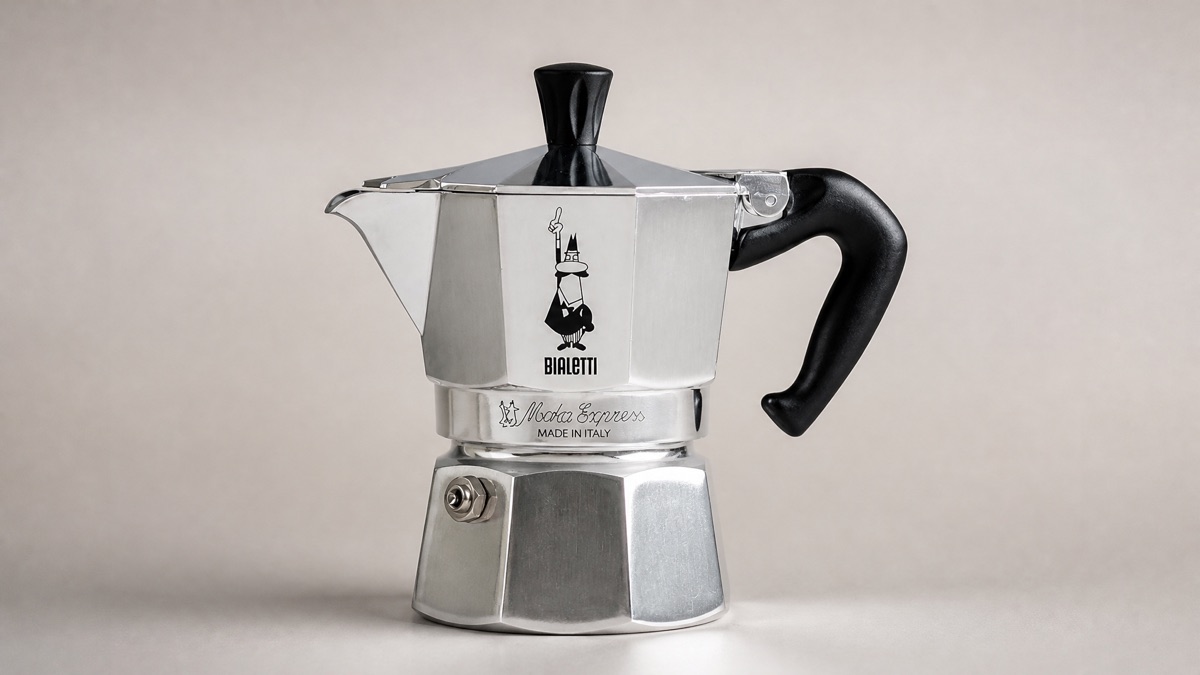
Hello from our coffee counter, I'm Sam. The Bialetti Moka Express is the original stovetop moka pot, introduced in 1933 by Alfonso Bialetti. The octagonal aluminum pot brews strong coffee on a gas, electric or ceramic burner.
We serve Ethiopian Sidamo often, and I judge every moka pot with that coffee. I focus on brewing steps, sizes and gasket care, with no money from Bialetti. The sections also cover induction limits, aluminum safety, taste, bitterness and cleaning.
Later sections compare the Moka Express with the Grosche Milano, the Brikka and the Venus, then give the price and a clear verdict. Readers learn who gains most from this classic pot and which buyers should pick a different brewer.
What Is the Bialetti Moka Express?
The Bialetti Moka Express is the original stovetop espresso maker, introduced in 1933 by Alfonso Bialetti. The pot brews strong coffee on a gas, electric or ceramic burner. No pump or electricity is involved.
The octagonal aluminum body has barely changed since the 1950s. A moustached man logo marks every pot. Copies lack this shape, so it sets the brand apart.
The name comes from Mocha, the Yemeni port that shipped coffee to Europe. A moka pot is the generic style, while Moka Express is Bialetti's own model. The pot replaced the Neapolitan flip pot in many Italian kitchens.
That place in Italian homes shows how far the pot spread. Italian kitchens keep one or two in nearly every home. The Museum of Modern Art also holds a Moka Express in its collection. Few appliances earn both honors.
Bialetti sells the pot in sizes from 1 cup to 18 cups. Buyers choose between aluminum and stainless steel versions. Silver is the classic color, with red, green, black, pink and cream also on offer.
Who Makes the Bialetti Moka Express?
Bialetti Industrie makes the Moka Express in Italy and runs from Brescia. Alfonso Bialetti opened an aluminum workshop in Crusinallo in 1919. The pot followed 14 years later.
Luigi De Ponti holds the patent credit for the 1933 design, filed for Alfonso Bialetti. Bialetti Industrie still produces the same model under the Moka Express name.
Renato Bialetti, the founder's son, turned the pot into a global brand. The moustached man on every pot is a caricature of Renato Bialetti. Cartoonist Paul Campani drew the figure in 1953.
The logo reached homes through Carosello, the Italian TV advertising slot. A genuine pot carries three marks: the logo, the eight-sided body and the Bialetti name. Copies often change one of the three.
Imitators copy the octagon but differ in other ways. The Grosche Milano uses ten sides, and the Primula Classic sells at about a third of the price. Bialetti's Venus steel pot is made in China, while the Moka Express stays Italian.
How Does the Bialetti Moka Express Work?
The Bialetti Moka Express works by using vapor pressure to push hot water up through the coffee grounds. The pot has three parts: a lower boiler, a funnel-shaped filter basket and an upper collector.
Heat raises the pressure in the sealed boiler. The pressure forces water up the funnel stem and through the grounds. The coffee then climbs the central column and drops into the collector.
A rubber gasket seals the joint so the pressure cannot escape. The collector is open, so only the boiler holds pressure. Most of the water stays liquid until the end of the brew.
A patented safety valve sits on the lower chamber. The valve releases extra pressure. Water must stay below the valve line.
A 6-cup pot finishes in 4 to 5 minutes on medium-low heat. Near the end, the water level drops and steam mixes with the last coffee. This causes a gurgling sound, which signals the end of the brew. Smaller pots finish sooner.
Does the Bialetti Moka Express Make Real Espresso?
No. The Bialetti Moka Express makes strong moka coffee, not true espresso. Steam builds only about 1 to 1.5 bar of pressure. An espresso machine reaches 9 bar.
The cup lands between drip coffee and espresso. The brew is 2 to 3 times as concentrated as drip. True espresso is 5 to 8 times as concentrated.
The pot makes no real crema. The Bialetti Brikka adds a tighter valve for a crema-like froth. Even the Brikka does not match a pump machine.
- Straight: Drinkers sip the coffee in small cups.
- Americano style: Others dilute it with hot water for an Americano.
- Latte style: Warm milk turns the same brew into a latte-style drink.
What Sizes and Materials Does the Bialetti Moka Express Offer?
The Bialetti Moka Express comes in eight sizes, from 1 cup (60 ml, 2.1 oz) to 18 cups (800 ml, 28.2 oz). Aluminum is the classic material.
The 3-cup holds 130 ml (4.6 oz), and the 6-cup holds about 250 ml (8.8 oz). The 9-cup holds 410 ml (14.4 oz). The 12-cup holds 595 ml (21 oz).
Moka Express Sizes:
| Size | Yield | Best For |
|---|---|---|
| 1 cup | 60 ml (2.1 oz) | One small shot |
| 3 cup | 130 ml (4.6 oz) | One drinker |
| 6 cup | 250 ml (8.8 oz) | Two drinkers |
| 9 cup | 410 ml (14.4 oz) | Two or three people |
| 12 cup | 595 ml (21 oz) | Guests |
| 18 cup | 800 ml (28.2 oz) | Large groups |
A moka cup equals about 2 oz (60 ml), the size of an espresso cup. A mug is much larger. Buyers should read the milliliter figure, not the cup number.
The aluminum pot carries a heat-resistant plastic handle and a rubber gasket. The body is light. A 6-cup pot weighs 1.54 lb (0.7 kg).
Does the Bialetti Moka Express Work on Induction?
No. The aluminum Bialetti Moka Express does not work on an induction cooktop. Aluminum is not magnetic, so the hob cannot heat the base.
A stainless steel induction adapter plate fixes the problem for an owner who already has the aluminum pot. Bialetti sells the plate separately. The pot sits on the plate, and the plate sits on the hob.
A buyer who wants to avoid the extra part can choose a steel pot made for induction instead. Bialetti also makes steel pots for induction: the Venus and the Moka Induction line. The Venus and the Moka Induction line work on every hob type. Both skip the adapter.
Other stoves need no extras at all. Gas, electric and ceramic burners heat the aluminum pot directly. The flame must stay under the base. Heat on the handle will damage the plastic.
Is the Bialetti Moka Express Safe to Brew In?
Yes. The aluminum Bialetti Moka Express is safe for daily brewing. Homegrounds reviewed the studies and judged the aluminum risk to be negligible.
A 2017 German study by Stahl and colleagues tested aluminum moka pots. Weekly coffee from the pots stayed under 4% of the EFSA tolerable weekly intake of 1 mg per kg of body weight. The result held even after dishwasher washing.
Links between aluminum and Alzheimer's disease remain unproven. A coffee oil layer also builds up inside the pot over time. The layer keeps coffee away from bare metal.
Some owners still prefer steel. Bialetti sells the Venus and Moka Induction in stainless steel. Both avoid aluminum contact.
A new pot smells of factory chemicals. Food & Wine noted the odor on unboxing. Bialetti advises brewing and discarding several batches before drinking.
Which Bialetti Moka Express Size Should You Buy?
The Bialetti Moka Express size you should buy depends on the milliliter yield, with the 3-cup for one drinker and the 6-cup for two. A 3-cup pot yields about 130 ml (4.6 oz).
The 6-cup yields about 250 ml (8.8 oz). With milk, the pot fills two mugs. A full basket takes 30 to 36 g of coffee.
The 9-cup (410 ml, 14.4 oz) serves two to three people. The 12-cup (595 ml, 21 oz) fits guests. Larger pots brew slower and run heavier.
Drinkers of 300 to 350 ml (10 to 12 oz) mugs outgrow the line. A drip maker suits them better. Partial batches also brew poorly, so the basket should stay full.
How Do You Brew With the Bialetti Moka Express?
The Bialetti Moka Express brews best with hot water, a level basket and medium-low heat. The method takes five short steps and needs no scale.
- Fill the lower chamber with hot water to just below the safety valve.
- Fill the basket with medium-fine grounds. Level them without tamping.
- Screw the top on firmly. Wipe any grounds off the threads.
- Set the pot on medium-low heat with the lid open. Keep the flame under the base.
- Remove the pot at the first gurgle. Pour right away.
Hot water matters because cold water adds minutes and bakes the grounds. A 6-cup pot takes 30 to 35 g of coffee and water up to the valve line, about 270 ml (9.5 oz). Brewing takes 4 to 5 minutes.
Gas, electric and ceramic burners all work. An electric coil heats slowly and stays hot after switching off. Sliding the pot off the ring ends the brew faster.
The first runnings of the coffee are strong and the last ones are weak. Stirring the finished coffee once evens them out. Pour into warm cups right away. A towel protects the hand from the hot base.
A quick run under cold water stops extraction. The base cools in a few seconds. The last runnings stay out of the cup.
Tamping slows the water and raises pressure. A screwed-on top already compacts the grounds enough. A loose seal lets steam escape and weakens the brew.
Several faults point to a cause. Sputtering means the heat is too high, so lower the flame. Nothing coming up means the grind is too fine or the basket is overfilled. Steam at the seam means a loose top, grounds on the threads or a worn gasket.
What Grind and Roast Suit the Bialetti Moka Express?
A medium-fine grind suits the Bialetti Moka Express best, close to table salt. The size sits between drip and espresso. Powdery grounds clog the basket.
Clogging explains why pre-ground espresso is a poor choice. It is too fine, so the water gets trapped below the coffee bed. Pressure builds in the pot, and the brew turns bitter.
Roast matters too. Medium and dark roasts work well in the pot, and chocolate, caramel and nut notes come through. Light roasts taste sour.
An even grind at this size depends on the grinder. A burr grinder gives that even grind. A blade grinder leaves both dust and chunks, and the mix clogs the basket unevenly.
How Does the Bialetti Moka Express Coffee Taste?
The Bialetti Moka Express coffee tastes rich, bold and full-bodied, with a creamy mouthfeel. The body sits near French press. Flavor runs intense.
The metal basket lets coffee oils through, and those oils build the creamy body. A thin layer of silt may also settle at the bottom of the cup. A paper filter would trap both the oils and the silt.
The brew is 2 to 3 times as concentrated as drip. Because of that strength, many drinkers add hot water to cut it. Warm milk also softens the cup.
Food & Wine tested the pot against others. The editors found the brews satisfying when dialed in. The pot did not excel in any one area.
The same test found a slower brew than rival pots. A slower brew raises the risk of over-extraction, which means the water pulls too much out of the grounds. Heat control therefore matters more with this pot.
Why Does the Bialetti Moka Express Taste Bitter or Metallic?
Bitter coffee from the Bialetti Moka Express usually comes from high heat, a fine grind or a cold-water start. Each fault over-extracts the grounds.
A cold-water start bakes the grounds in a hot, dry basket. Hot water in the lower chamber avoids the problem. A low flame then keeps the brew gentle.
Food & Wine tasted the Moka Express beside a Grosche Milano. The Bialetti showed bitterness while hot and astringency as it cooled. The Milano tasted mellower.
A metallic taste has a different set of causes. Metallic notes come from a new pot, soap residue or damp storage. Brewing and discarding a few batches helps a new pot. Full drying prevents the rest.
Sour coffee points the other way, because the grounds give up too little. A coarse grind, low heat, a light roast or an early finish all under-extract them. A finer grind and a medium-dark roast fix it.
Flavor can also go wrong after the brew ends. The aluminum holds heat after the flame goes off. Coffee left in the hot pot keeps cooking. Pouring right away prevents a flat, harsh cup.
How Do You Clean the Bialetti Moka Express?
Bialetti tells owners to rinse the Moka Express with clean water and skip detergent. The maker also forbids the dishwasher. A dishwasher damages the aluminum and changes the taste.
The pot must cool before disassembly. The base stays hot for a long time. A towel protects the hand during unscrewing. Once the pot is open, the three parts can be rinsed one by one.
Coffee oils form a thin seasoning layer inside the aluminum, and this layer is the reason soap is off limits. Soap strips the layer or leaves a film. A dark interior is therefore normal and not a cleaning failure.
The ridged body traps grime in its corners, so water alone can miss some spots. A soft brush reaches the grooves. Daily rinsing prevents buildup.
After rinsing, all three parts need air drying before reassembly. Trapped water causes spots and tarnish. Damp storage also leads to a metallic taste.
How Often Does the Bialetti Moka Express Gasket Need Replacing?
The Bialetti Moka Express gasket needs replacing every 6 to 12 months with daily use. A leak signals the end sooner. Hard or cracked rubber means replace it now.
The gasket is the rubber ring that seals the pot, so its wear shows up as a failed seal. Steam escaping from the seam points to a worn gasket. Rubber that turns hard and shiny loses its seal. A thumb press tests it, because a dent that stays shows the damage.
Gaskets and filter plates sell cheaply by cup size. A 3-cup gasket does not seal a 6-cup pot, so buyers match the part to the pot.
Buyers can choose between two materials. The stock part ships with every pot. Bialetti sells a silicone gasket as an upgrade, and silicone resists odors better than the stock rubber.
How Does the Bialetti Moka Express Compare to Rivals?
The Bialetti Moka Express compares to rivals as a pot that wins on build, parts supply and heritage but loses on price. Cheaper copies brew similar coffee. Premium steel pots outlast it.
The Primula Classic costs about a third as much. The 6-cup Bialetti weighs roughly 45% more. Its boiler holds 270 ml (9.5 oz), and its basket takes about 36 g of coffee.
The Bialetti Brikka adds a tighter valve for crema-like froth. Food & Wine ranked the Brikka above the Moka Express in testing. Brikka sizes are 2 cups and 4 cups only.
The stainless Venus runs on induction, and Food & Wine lists the 6-cup Venus at $65. Aluminum pots need an adapter on induction.
The Alessi 9090 is the world's first stainless steel moka pot, launched in 1979. Alessi built it as a design object. It costs $325 at Amazon. The pot brews the same stovetop coffee as a $50 pot.
Food & Wine gave its top rating to the Cuisinox Roma. Build quality and taste earned it the spot. The Moka Express landed among the strong contenders.
Rival Pots:
| Pot | Material | Induction | Price |
|---|---|---|---|
| Bialetti Moka Express | Aluminum | Adapter only | $50 to $60 (6 cup) |
| Bialetti Venus | Stainless steel | Yes | $65 (6 cup) |
| Grosche Milano | Aluminum | Adapter only | About half the Bialetti |
| Primula Classic | Aluminum | Adapter only | About a third of the Bialetti |
| Alessi 9090 | Stainless steel | Yes | $325 |
Is the Bialetti Moka Express Better Than the Grosche Milano?
No. The Bialetti Moka Express does not beat the Grosche Milano on value or on durability. The Milano copies the shape and halves the price.
Food & Wine ran a head-to-head brew. The Milano finished a full minute sooner. The tasters preferred its mellower cup.
Durability is where the Milano also pulls ahead. It uses a silicone gasket and a softer handle. Business Insider kept the Bialetti out of its top picks. The writer cited the rubber gasket and a handle prone to melting.
The Moka Express still keeps real strengths. It stays Italian-built and widely supported. Business Insider still calls it a great alternative.
How Much Does the Bialetti Moka Express Cost?
The 6-cup Bialetti Moka Express costs about $50 to $60 in the United States. Walmart lists it at $48.97. Food & Wine paid $60 at Amazon.
Small pots cost less. A 1-cup pot runs about $25. A 12-cup pot costs more, with one buyer paying $80 on sale.
Bialetti states the pot lasts at least ten years. Replacement gaskets, the rubber rings that seal the pot, cost little, so upkeep adds almost nothing to that cost.
Generic copies sell for less than the Bialetti. Homegrounds calls the gap a premium for the name. Others find the Italian build worth the extra.
Where Can You Buy the Bialetti Moka Express?
You can buy the Bialetti Moka Express at Amazon in nearly every size and color. The 3-cup listing shows 4.6 stars from 120,246 ratings. Stock stays deep.
Walmart also carries the pot. Bialetti sells direct online. Kitchen stores stock the 3-cup and 6-cup.
Special editions appear often. Bialetti released a Bridgerton version in 3 cups and 6 cups. Colors range from silver to tricolore.
Spare parts sell in the same places. Gaskets, funnels and filter plates match each cup size. Check the size before ordering.
Is the Bialetti Moka Express Worth It?
Yes. The Bialetti Moka Express is worth about $50 for strong stovetop coffee that lasts for years. Few brewers match its record at the price.
Some critics rank other pots higher. Food & Wine placed the Cuisinox Roma first and put the Brikka above the Moka Express. Business Insider left the Moka Express out of its top picks.
Rating scores agree. Homegrounds gives it 4.3 out of 5. Coffee Tea Club gives it 4.6, and The Best Organic Lifestyle gives it 4.5.
The pot needs attention at the stove and hand washing. The rubber gasket and plastic handle draw criticism. A cheaper copy brews almost the same cup.
Buyers who want classic Italian coffee get a proven pot. Buyers who want the lowest price pick a Milano. Both groups get strong, small cups.
Pros:
- Strong, full-bodied coffee
- Italian build and 1933 design
- Cheap, widely sold spare parts
- Light and easy to carry
Cons:
- Hand washing only
- Rubber gasket and plastic handle
- No induction support in aluminum
- Needs attention at the stove
Who Should Skip the Bialetti Moka Express?
Induction owners should skip the aluminum Moka Express unless they add an adapter plate. A Venus or Moka Induction pot avoids the extra part.
Drinkers who want a hands-off brew need an electric moka pot. The stovetop pot demands attention. A forgotten pot burns the coffee.
Light roast fans find the cup sour. Crema seekers need the Brikka or a real espresso machine. Mug drinkers outgrow even the 12-cup.
Odradeks Coffee House is reader-supported. If you buy through a link on this page, we may earn a small affiliate fee at no extra cost to you.